Nippon Loft
〰️
Buenos Aires, Argentina
〰️
Year: 2016
〰️
Nippon Loft 〰️ Buenos Aires, Argentina 〰️ Year: 2016 〰️
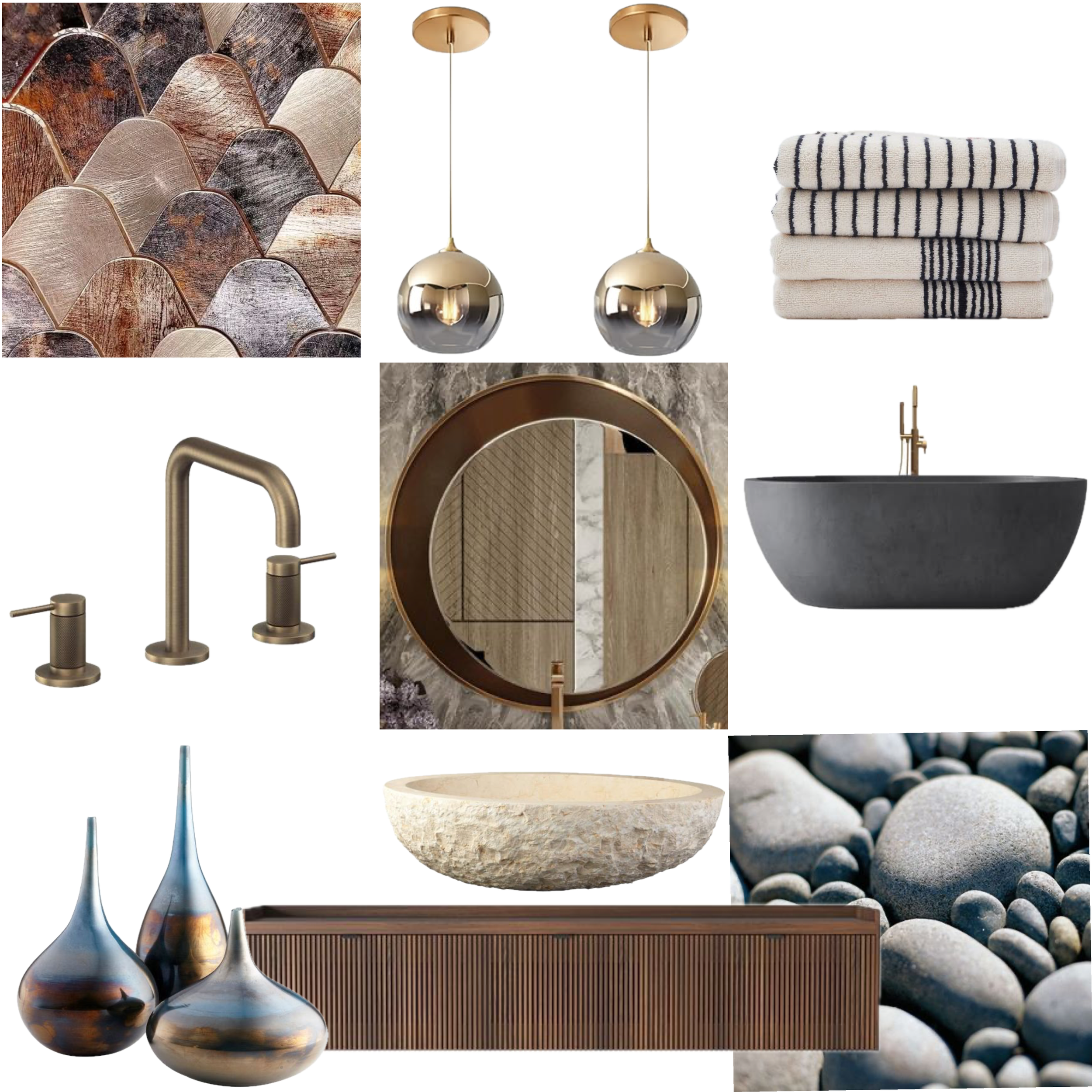
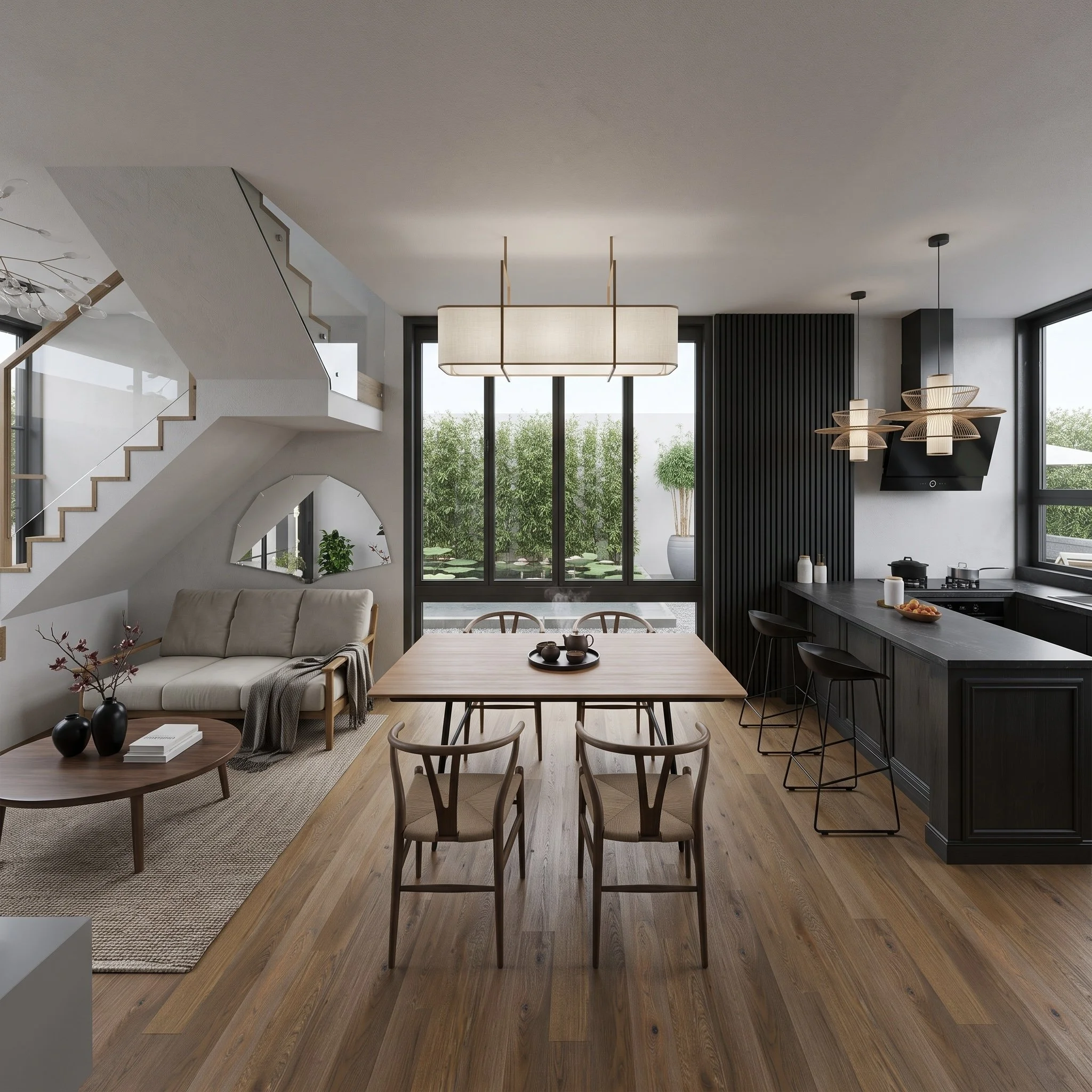
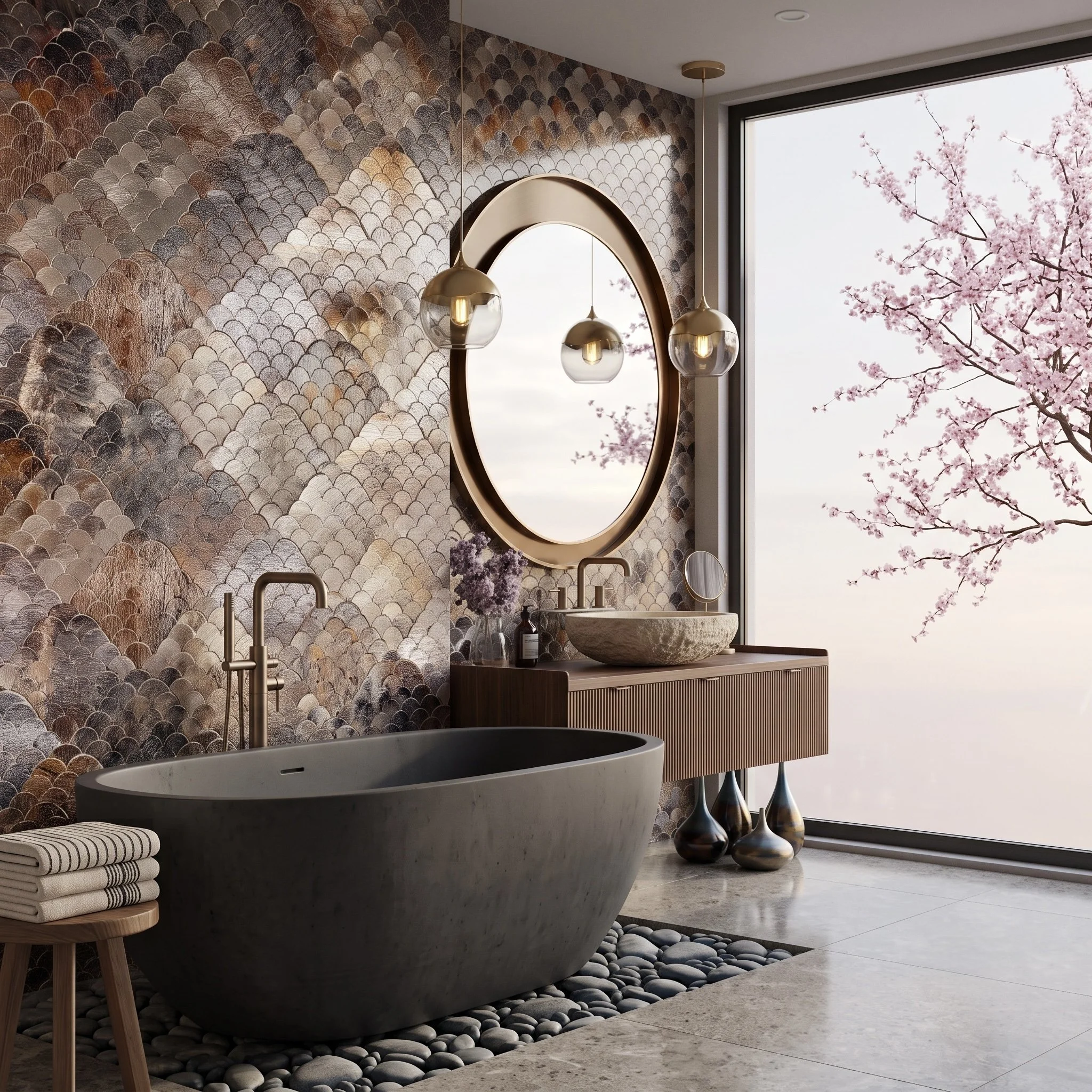
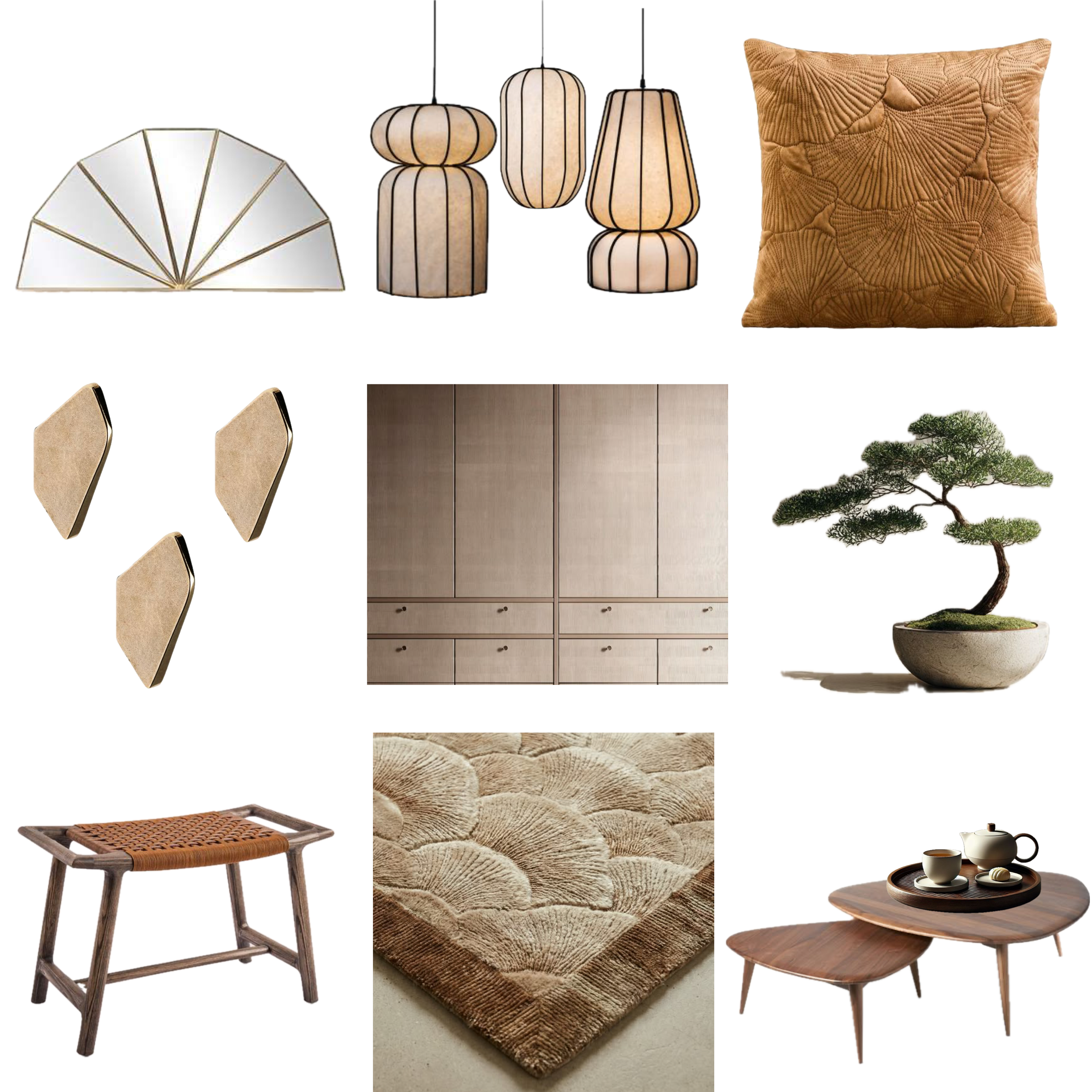
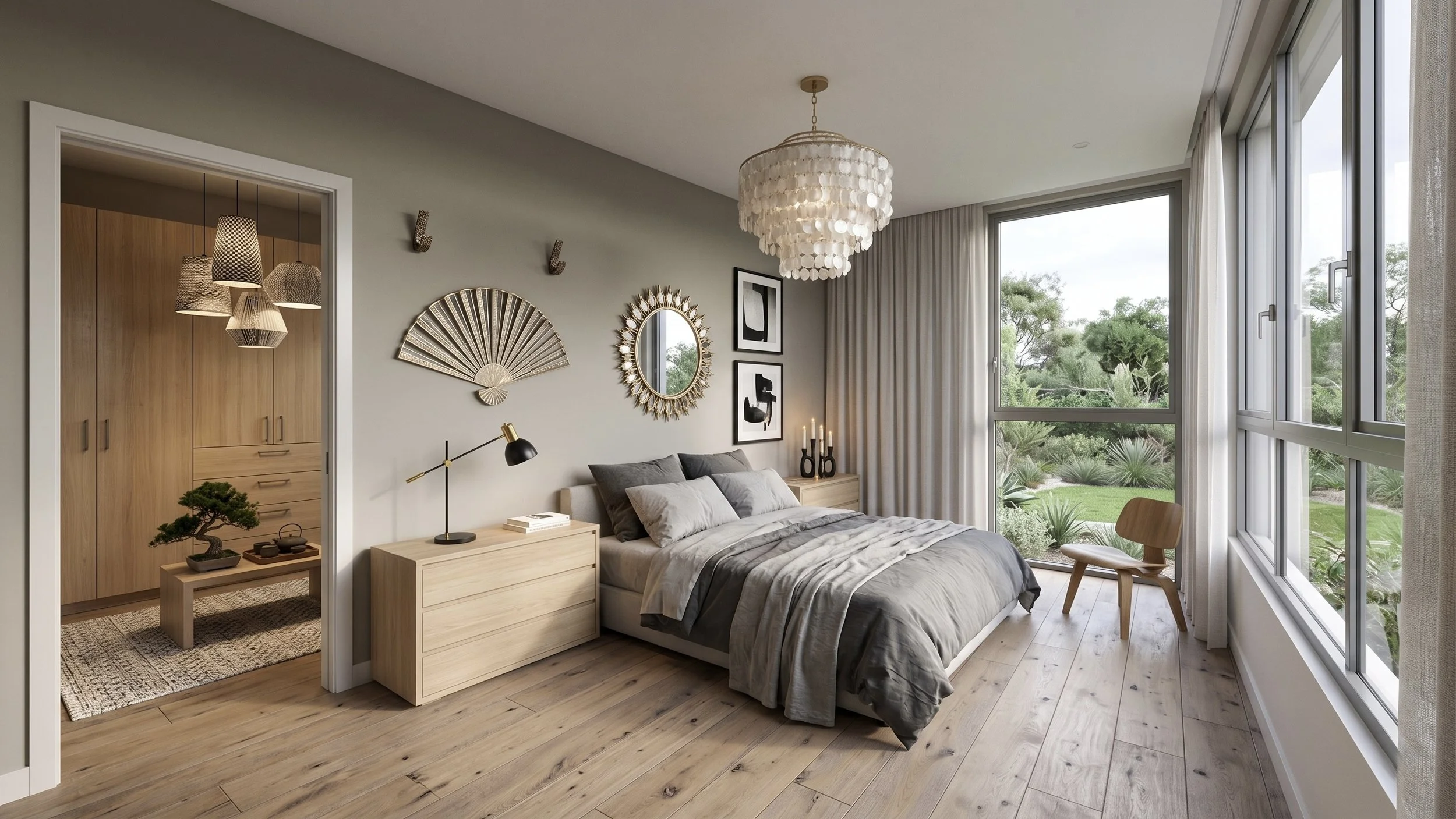
This home is an exercise in balance: the quiet discipline of traditional Japan meeting the clean lines of contemporary Japanese design. Built on Japandi principles, wabi-sabi's honesty about imperfection paired with Scandinavian restraint, the space holds simplicity, nature, and craftsmanship together without letting any one of them dominate.
We kept the loft's original layout as our starting point, but reimagined its bones around the logic of shoji sliding doors, that same fluidity and adaptability that defines traditional Japanese interiors, translated into a Western floor plan. Playing with levels and volumes let us carve out distinct rooms that still feel connected to each other, under high ceilings that pull in as much natural light as the building allows. The architecture leans into blocks and rectangular forms, geometric, precise, unmistakably modern, while the materials underneath keep it grounded in something older.
Nippon Loft
〰️
Buenos Aires, Argentina
〰️
Year: 2016
〰️
Nippon Loft 〰️ Buenos Aires, Argentina 〰️ Year: 2016 〰️
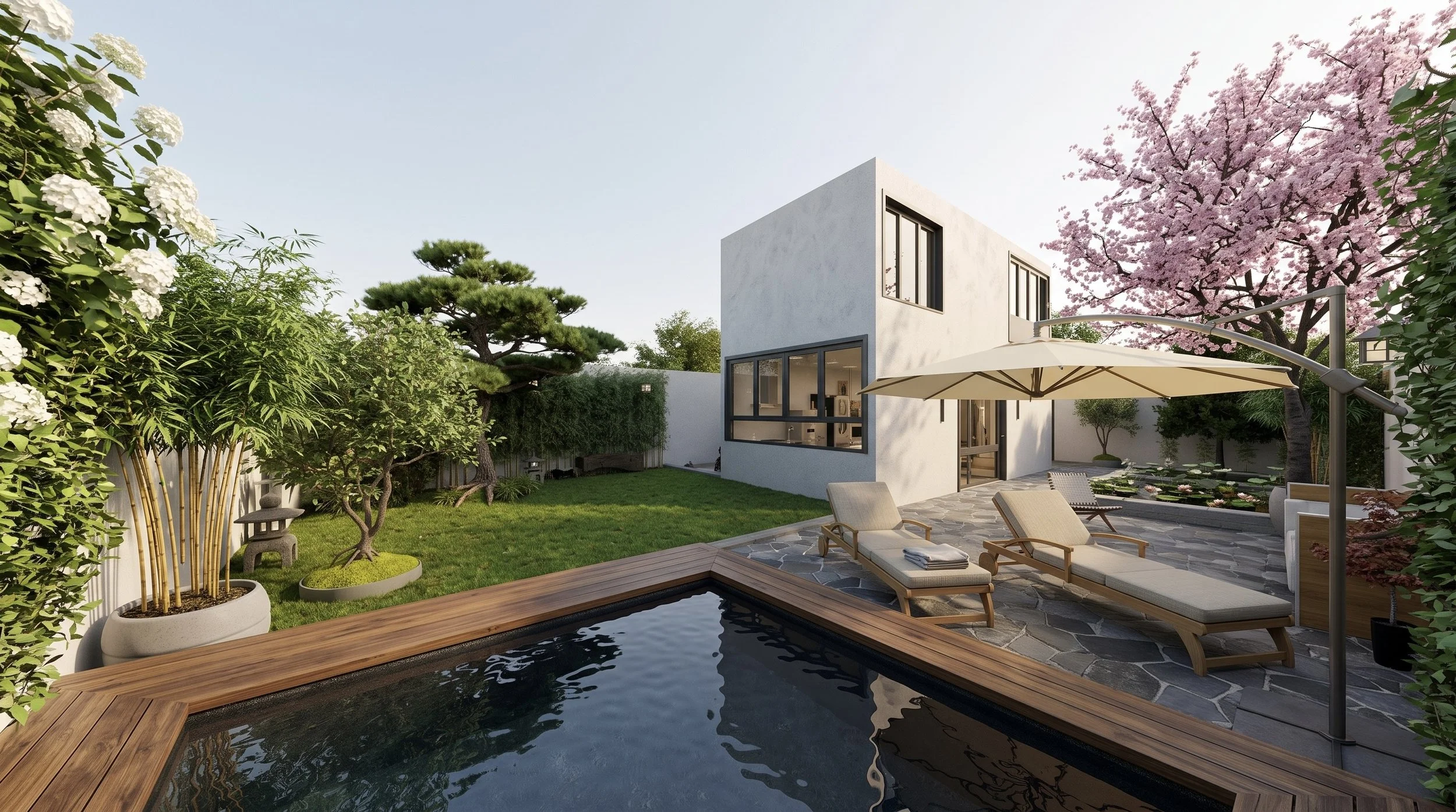
Outside, the garden drops the straight lines entirely. It's built around cherry blossoms, ginkgo biloba, and red maple, with topiaries shaped and trained like bonsai, and organic curves borrowed from traditional loom patterns, echoed in a koi pond planted with aquatic species. A sand garden, laid out with sculptural stone, sits in quiet contrast to the water.
Stone lanterns cast the only artificial light after dark. Bamboo lines the party walls, doing double duty as privacy screen and living texture. Near the cold plunge, the deck is finished in shou sugi ban, timber charred using the traditional Japanese technique, chosen for how it ages rather than how it looks on day one. And tucked into a quiet corner, a contemplation bench carved from a single solid timber trunk, no joinery, no hardware, just the tree, reshaped enough to sit on.
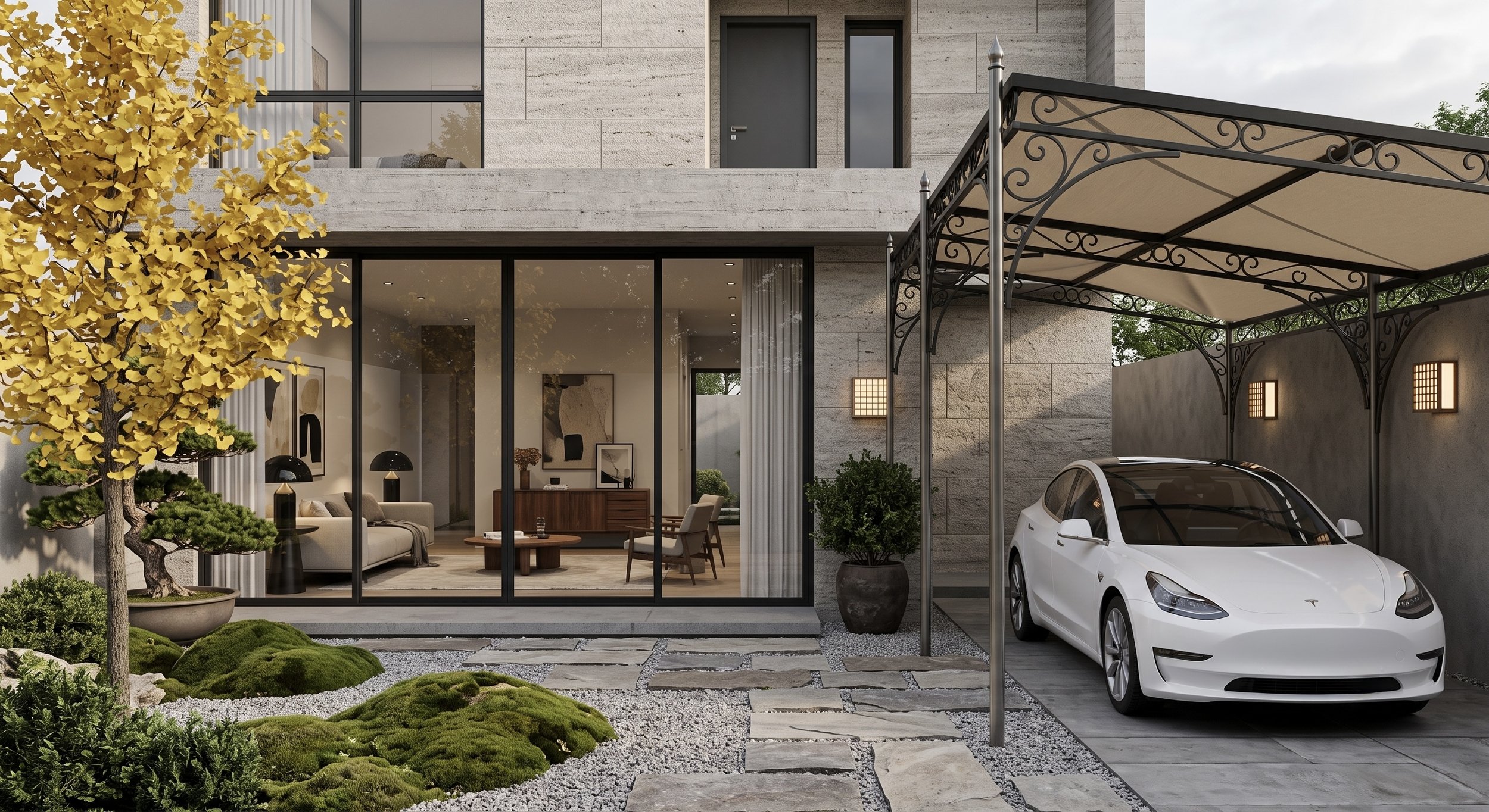
This home is where tradition and innovation stop competing for space. Nature and architecture aren't opposites here, they're the same design decision, made twice, once indoors and once out.